Episode 17: From Creator Economy to Creator Infrastructure
In Episode 17 of Influencing Outcomes, the team explores two major signals that the creator economy is entering a new phase of maturity: Accenture Song's acquisition of Whalar and LinkedIn's launch of its Creator Marketplace. The discussion examines why investors are increasingly backing creator-led businesses, the growing role of creators in B2B marketing, and the rise of AI-generated influencers as regulators begin demanding greater transparency. The episode also features a deep dive with Intender CEO Phil Ohren, unpacking how social search, AI-powered discovery and changing consumer behaviour are transforming the future of search.
The creator economy has spent years proving it belongs in the marketing mix. Today, the conversation is shifting towards something much bigger.
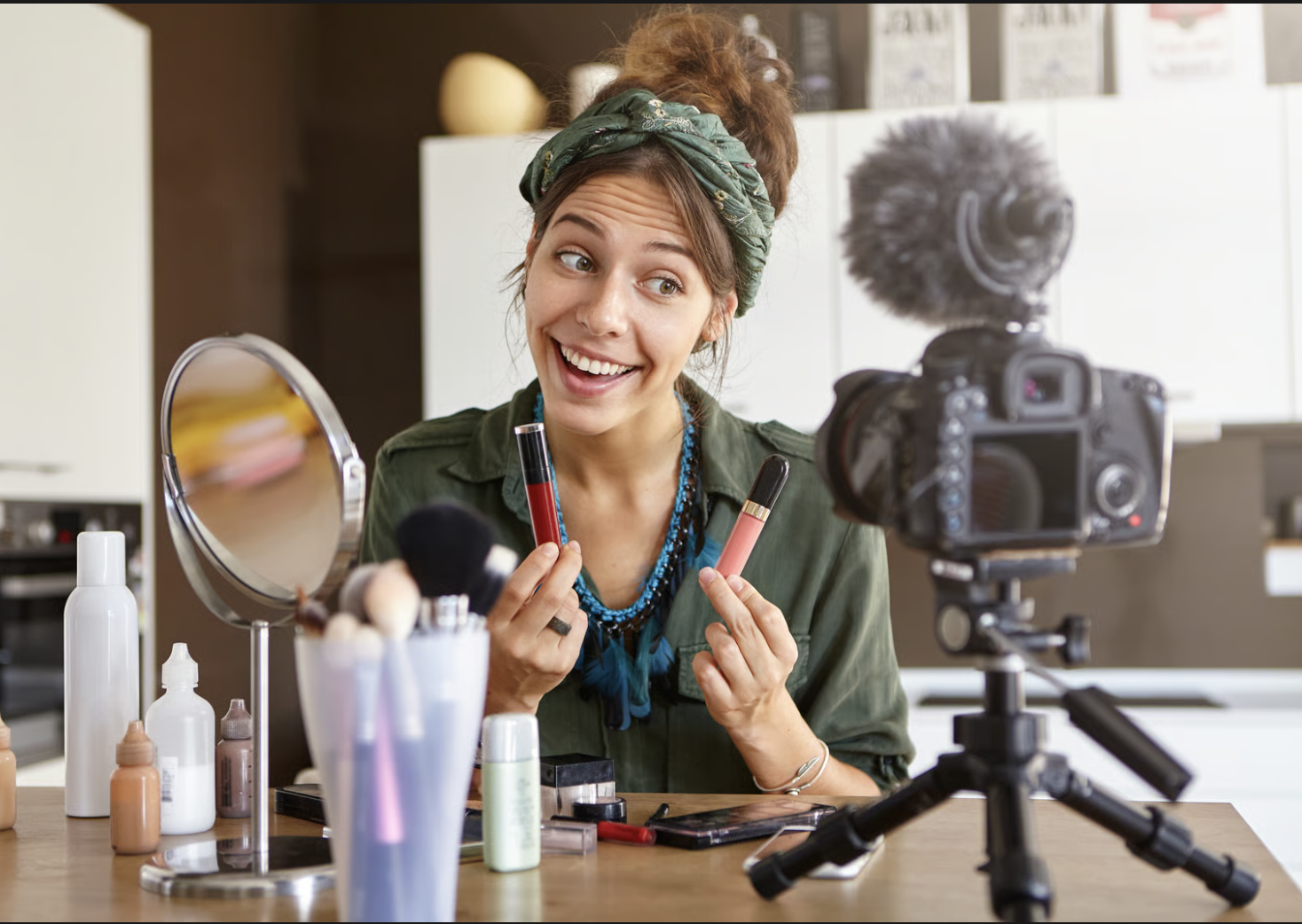
Creators are no longer being viewed solely as content producers or media channels. Increasingly, they are becoming part of the infrastructure that powers modern marketing, influencing how brands approach commerce, discovery, trust and customer acquisition.
At the same time, the way people find information online is changing rapidly. Social platforms are becoming search engines, AI is reshaping discoverability, and creators are emerging as critical sources of expertise within digital ecosystems.
In this episode of Influencing Outcomes, Nathan Powell, Ben Gunn and Eliza Lewis explore the latest developments shaping the creator economy before welcoming Intender CEO Phil Ohren to discuss the future of search and what marketers need to do to stay visible in an increasingly fragmented digital landscape.
Accenture Song, Whalar and the Maturation of Creator Marketing
The episode opens with one of the biggest creator economy stories of the year: Accenture Song's acquisition of creator agency Whalar.
For the team, the significance of the deal extends well beyond the acquisition itself. It represents another example of major consulting firms, agency groups and investors placing increasingly large bets on creator marketing and the businesses that support it.
What stands out is how the conversation around creators has evolved. Five years ago, discussions focused largely on influencer campaigns and sponsored posts. Today, the focus is shifting towards creator infrastructure, including commerce, measurement, technology, data and always-on creator programmes.
The discussion also examines the growing number of investment groups backing creator-led businesses. Rather than viewing creators simply as media channels, investors are increasingly treating them as business owners, intellectual property creators and revenue-generating enterprises.
As the team notes, the race is no longer just about working with creators. The next stage is about building and owning the systems that power the creator economy itself.
LinkedIn Creator Marketplace and the Rise of B2B Creators
The conversation then turns to LinkedIn's launch of its Creator Marketplace, bringing the platform into line with TikTok, Meta and YouTube, all of which have invested heavily in creator collaboration tools.
While creator marketing has traditionally been associated with consumer brands, LinkedIn's move reflects the growing importance of creators within B2B marketing.
Business buyers increasingly seek trusted experts and peer recommendations when researching products and services. As a result, creators are becoming a meaningful part of how brands build credibility and influence purchasing decisions within professional audiences.
The team discusses how LinkedIn's marketplace formalises behaviour that has existed for years. Brands have long partnered with influential professionals and industry voices, but often through manual processes. The introduction of dedicated creator tools and discovery features helps make those relationships easier to scale.
Another important consideration is LinkedIn's growing role within AI-powered search. Platforms such as ChatGPT and Gemini are increasingly drawing upon LinkedIn content when surfacing business-related information, creating additional opportunities for creators and brands to establish authority and visibility beyond the platform itself.
AI Influencers, Disclosure Laws and Digital Trust
The episode also explores the rise of AI-generated influencers and the growing debate around transparency and authenticity online.
Recent legislation in New York now requires advertisers to disclose when AI-generated people are being used in advertising, reflecting concerns that consumers may struggle to distinguish between real and synthetic personalities.
The discussion highlights how quickly AI-generated content has evolved. What was once easy to identify through obvious visual errors is becoming increasingly realistic, making disclosure and transparency more important than ever.
However, the team argues that realism and trust are not necessarily the same thing.
Creator marketing has always been built on human connection, authenticity and long-term audience relationships. While AI influencers may offer efficiency and scalability, questions remain about whether audiences will trust them once they know they are artificial.
As regulation continues to develop, brands will need to carefully consider how AI-generated creators fit within broader strategies built around credibility and consumer trust.
How Search Is Changing: Social Search, AI and Discovery
The second half of the episode features Intender CEO Phil Ohren, who joins the podcast to discuss one of the most significant shifts occurring across digital marketing: the evolution of search.
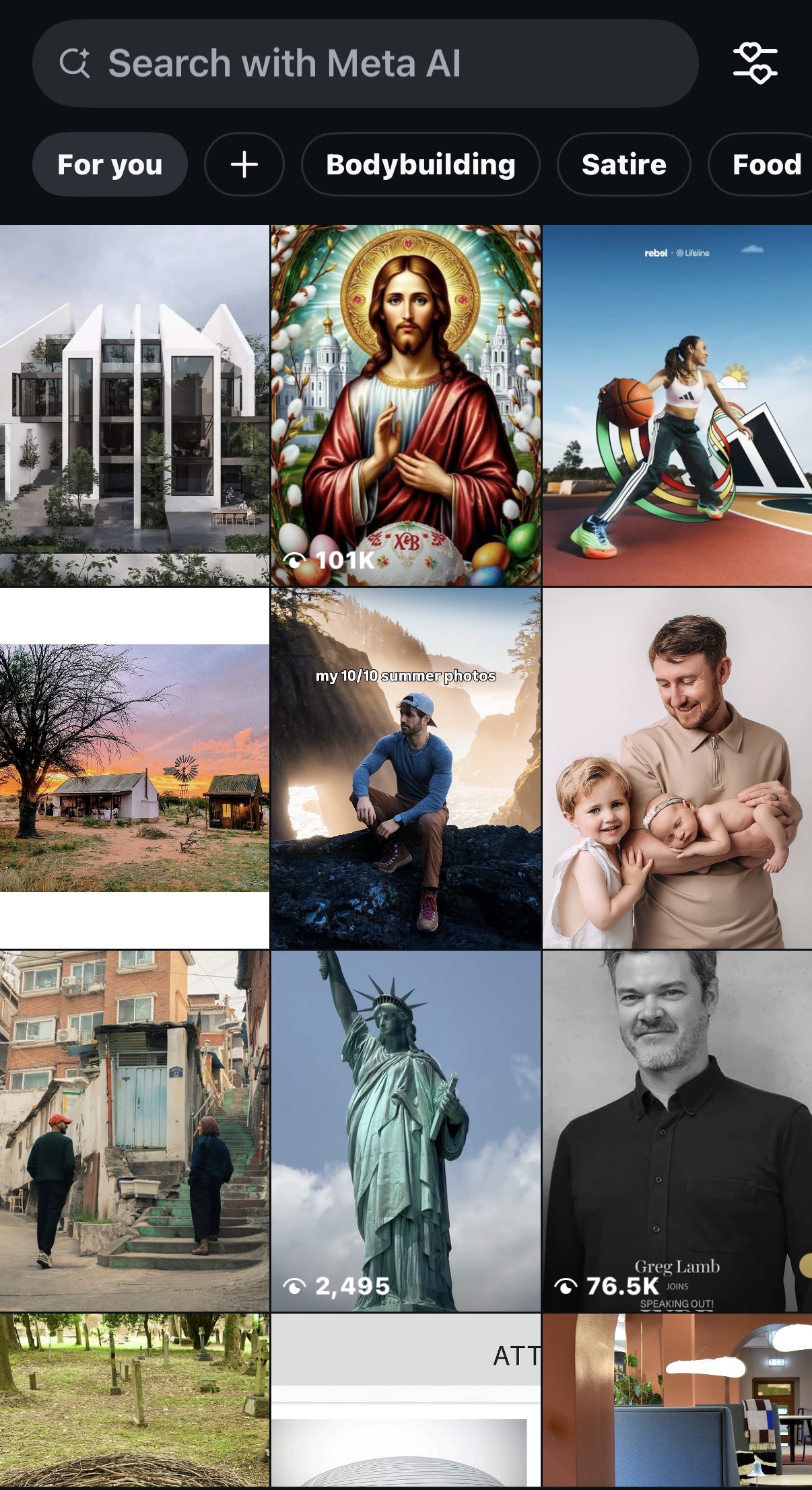
According to Phil, search is no longer confined to traditional search engines. Platforms such as TikTok, Instagram and Reddit are increasingly becoming destinations where users actively seek recommendations, advice and expertise.
This shift creates new opportunities for creators and brands. Rather than content disappearing once a campaign ends, social search allows valuable content to continue generating discovery long after publication.
The discussion explores how creators can build long-term value by consistently demonstrating expertise within specific categories. Whether focused on skincare, fitness, technology or gardening, creators who establish topical authority are more likely to appear in both social search and AI-generated results.
The conversation also introduces the idea of intent-based creator marketing. Rather than focusing solely on reach and engagement, brands may increasingly need to consider how creator content helps audiences solve problems and answer questions at the exact moment they are searching for information.
As discovery becomes more fragmented, creators are positioned to become important bridges between consumer intent and brand solutions.
Context Marketing and the Future of Search
Looking ahead, Phil predicts that marketers will need to think beyond content marketing and focus more heavily on what he describes as "context marketing".
Rather than simply producing content, brands will need to help both consumers and AI systems understand the problems they solve, the audiences they serve and the situations in which their products become relevant.
As more people begin using AI tools such as ChatGPT, Gemini and Perplexity to find information, discoverability will increasingly depend on context, authority and relevance rather than keywords alone.
The discussion also explores how creator content may become an increasingly important signal within AI-powered discovery systems. Creators who consistently demonstrate expertise and build trust within specific niches are likely to play an important role in helping brands remain visible across emerging search environments.
While the technologies may change, the underlying principle remains the same: understanding audience intent will become one of the most valuable assets marketers can possess.
Platforms, Discovery and the Future of Visibility
Across every topic discussed in this episode, a common theme emerges.
The creator economy is evolving from campaigns to infrastructure. Search is expanding beyond traditional search engines. AI is transforming how information is discovered. And creators are becoming increasingly important sources of trust and expertise within digital ecosystems.
For brands, this means rethinking how visibility is earned. For creators, it creates new opportunities to build authority and long-term relevance. And for marketers, it reinforces the importance of understanding not only what audiences are searching for, but why they are searching in the first place.
As creator marketing, search and AI continue to converge, the organisations that succeed will be those that understand how trust, intent and discoverability work together in the next generation of digital marketing.
Follow, Subscribe and Stay Connected
Enjoyed the episode? Follow Influencing Outcomes on your favourite podcast platform so you never miss an update.
For more insights, industry trends and behind-the-scenes content:
Follow Fabulate on socials: LinkedIn | Instagram | TikTok | YouTube | Facebook
.jpg)






.png)

.png)
.png)
.png)
.png)
.png)
.png)
.png)
.png)
.png)
.png)
.png)
.png)
.png)
.png)
.png)
.png)
.png)
.png)
.png)
.png)
.png)
.png)
.png)
.png)
.png)
.png)
.png)
.png)


.png)