FAQ: A good media kit doesn’t sell followers. It sells brand fit
A strong creator media kit does more than showcase followers. It proves audience fit, creative value and why a brand should say yes faster.
A creator media kit is basically your commercial calling card.
It is the document, link or live profile you send to brands to show:
- Who you are
- What kind of content do you create
- Who your audience is
- What you have delivered before
- Why you are the right fit for a campaign
But here is the thing: a good media kit is not just a pretty PDF. It is a business case. Brands do not open a media kit hoping to read your life story.
They want to answer two questions quickly: Can this creator make the right content for us? Can they reach the right audience?
If your media kit makes those answers obvious, you are already making the brand’s job easier.
What should creators include in a media kit?

Your media kit should clearly show who you are as a creator.
That means including:
- Your content style and aesthetic
- The categories you specialise in
- Your strongest platforms
- Examples of your best content
- Previous brand partnerships
- Audience and performance data
- Contact details or booking information
Brands are not simply looking for an audience. They are looking for creators whose content naturally aligns with their brand, campaign objective and customer.
So, yes, introduce yourself. But keep it sharp.
A few strong lines about your niche, content style and audience are usually more useful than a long personal biography. Your media kit should make your value clear quickly, not make a marketer dig for it.
Why does data matter so much?

Strong creative gets attention. But data gives brands confidence.
Your media kit should include useful data wherever possible, including:
- Audience demographics
- Audience location
- Platform breakdowns
- Average views
- Engagement rate
- Content performance
- Category relevance
- Previous campaign results
These numbers help brands understand not just how many people you reach, but whether you reach the right people. That distinction matters.
What makes a media kit strong instead of just pretty?
A strong media kit should look good because it reflects your personal brand. But design should never get in the way of clarity.
Brands often review dozens, sometimes hundreds, of creators for a single campaign. They need to find the important information fast.
That means your media kit should be:
- Easy to scan
- Easy to understand
- Easy to act on
- Clear about your value
- Backed by relevant data
Show your best content. Highlight relevant brand work. Use data to support your value. Make your contact details easy to find.
Don't do this.

Avoid all this;
- Lengthy bios
- Generic mission statements
- Too many vanity metrics
- Old screenshots
- Overdesigned pages with no substance
- A media kit that looks great but says very little
A strong media kit should feel like a reason to work with you, not just a scrapbook of your favourite posts.
How much do follower numbers really matter?
At Fabulate, we always say follower count still has a role. But it is not the whole story.
A creator with 50,000 highly engaged followers in the right category can be more valuable than someone with 500,000 followers whose audience has little connection to the campaign.
The best creator partnerships happen when the audience naturally aligns with the brand’s target customer.
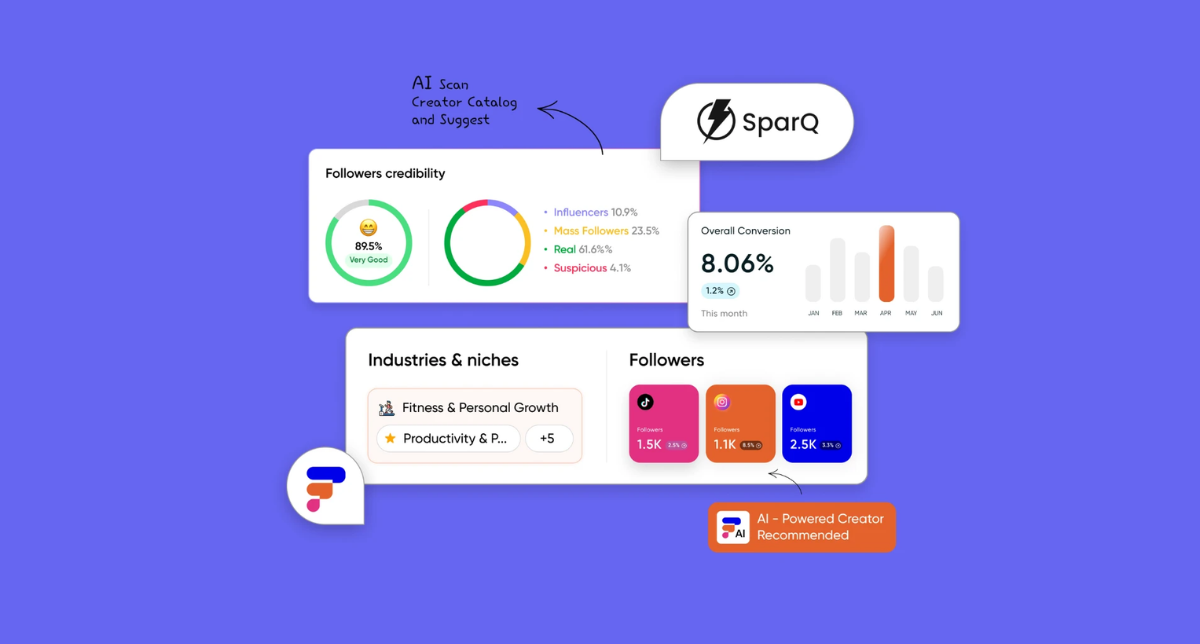
That is why brands increasingly look beyond follower count. Through platforms like Fabulate Discovery, marketers can assess hundreds of data points, including:
- Audience demographics
- Engagement quality
- Geographic reach
- Average video views
- Content style
- Previous brand partnerships
- Audience authenticity
- Category relevance
Follower count may help you get noticed. But audience fit, strong creative and trusted creator data are what get you selected.
Why should your media kit and creator profile work together?
A media kit shows your creative ability. A live creator profile shows brands what is happening now.
That difference matters. If you have authenticated your creator accounts with Fabulate, you can share your live digital creator profile with brands.
Unlike a static PDF, your profile stays up to date with your latest content, audience insights, and authenticated performance data.
That gives brands a more accurate picture of your work.
It also helps them make decisions faster because they are not relying on outdated screenshots, old follower counts, or manually pulled metrics.
The strongest creators use both:
- The media kit tells the story.
- The authenticated profile backs it up.
Should creators include their rates?

There is no single rule.
Some creators include indicative starting rates because they help qualify opportunities early and speed up conversations.
Others prefer to price each campaign individually because the final fee depends on the scope of work.
That can include:
- Deliverables
- Usage rights
- Exclusivity
- Licensing
- Production requirements
- Campaign complexity
- Timeline
If your pricing changes from brief to brief, it is completely fine to say rates are available on request.
The key is to remember that brands are not just paying for a post. They are paying for creative production, audience access, usage rights and often the potential for a longer-term partnership.
Your rate should reflect the value you are creating — not just the size of your audience.
How does a good media kit help brands decide faster?
A good media kit removes uncertainty.
When a marketer can quickly understand who you are, what you create, who you reach, what brands you have worked with and why your audience matters, there are fewer follow-up questions.
That makes you easier to shortlist.
A strong media kit helps brands quickly see:
- Your creative style
- Your audience fit
- Your category relevance
- Your previous experience
- Your performance potential
- Your commercial value
Supporting strong creatives with trusted audience data also builds confidence. Instead of relying on assumptions, brands can make decisions based on verified insights about your audience and past performance.
That is the real job of a media kit. Not to make you look bigger.
But, to make the partnership feel easier to approve.
The best media kits do not just showcase your work; They make it easy for brands to say yes.
In a more professional creator economy, brands are not just looking for creators with followers. They are looking for creators who understand their value and can prove it.
.jpg)







.png)

.png)
.png)
.png)
.png)
.png)
.png)
.png)
.png)
.png)
.png)
.png)
.png)
.png)
.png)
.png)
.png)
.png)
.png)
.png)
.png)
.png)
.png)
.png)
.png)
.png)
.png)
.png)
.png)


.png)