Creator burnout is real. Here’s what brands and creators can do about it
Creator burnout is rising as content demands grow. Fabulate explains how creators and brands can build healthier, more sustainable partnerships.
More than half of creators are experiencing burnout, and some are considering quitting the profession altogether. Research from Billion Dollar Boy’s latest study found that 52% of creators are being mentally drained by their careers.
The main culprit? Creative fatigue.
The study, based on a survey of 1,000 creators and 1,000 senior marketers across the US and UK, identified creative fatigue as the primary cause of burnout at 40%. Demanding workloads ranked second at 31%, followed by constant screen time at 27%.
However, financial instability takes the cake as the most severe challenge, with 55% of creators identifying it as a key concern. US-based creators are telling a slightly different story, with many struggling to keep up with algorithms.
The data may vary, but the pattern is here to stay as the influencer economy continues to evolve rapidly. Burnout is real, and both creators and brands need measures in place.
How can creators set healthier boundaries without losing opportunities?
Creators need a mindset shift: stop treating content creation as a hobby and start treating it more like a business.
- Build a boundary
That means setting a clearer boundary between work and life.
Most businesses do not operate 24 hours a day, yet creators often feel pressure to be online 24/7. Even saying “no” can feel like a risk.
But boundaries do not cost creators opportunities. In reality, clear boundaries can build trust. They show brands what to expect, when to expect it and how the working relationship will run.
- Build a sustainable routine
A sustainable routine can start with something simple: creating content at a set time each day.
The same logic applies to communication. Having dedicated time to respond to emails, review briefs or handle client requests removes constant interruption from daily life.
It is not about becoming less available. It is about becoming more structured.
- Set expectations early
How do you communicate? When do you communicate? What are your content turnaround times? What does the brand expect from you?
These expectations should be set during the onboarding process. It helps brands appreciate your clarity and plan their own workflows accordingly.
- Consistency is key
Boundaries only work when they are reliable.
Doing what you said you would do, when you said you would, builds confidence and professionalism.
In Fabulate’s experience, “brands care far more about reliability than constant availability.”
What role can brands play in respecting creators’ time, energy and personal limits?
Responsibility sits with brands, too. An equal one.
Fabulate’s Lucy Ronald (Head of Strategy & Talent at Fabulate) explains that “if a brand expects creators to meet deadlines, communicate proactively, and deliver content on time,” it should hold itself to the same standard.
One of the most common frustrations, she says, is delayed feedback.
A creator may have allocated a specific time, date, day or week to deliver a brand’s campaign.
If feedback arrives days or even weeks later than originally promised, Ronald says it creates “significant disruptions” to their fixed schedules and other work commitments.
“Creators are effectively running small businesses. Delays on the brand side can have a ripple effect across multiple campaigns and commitments.”
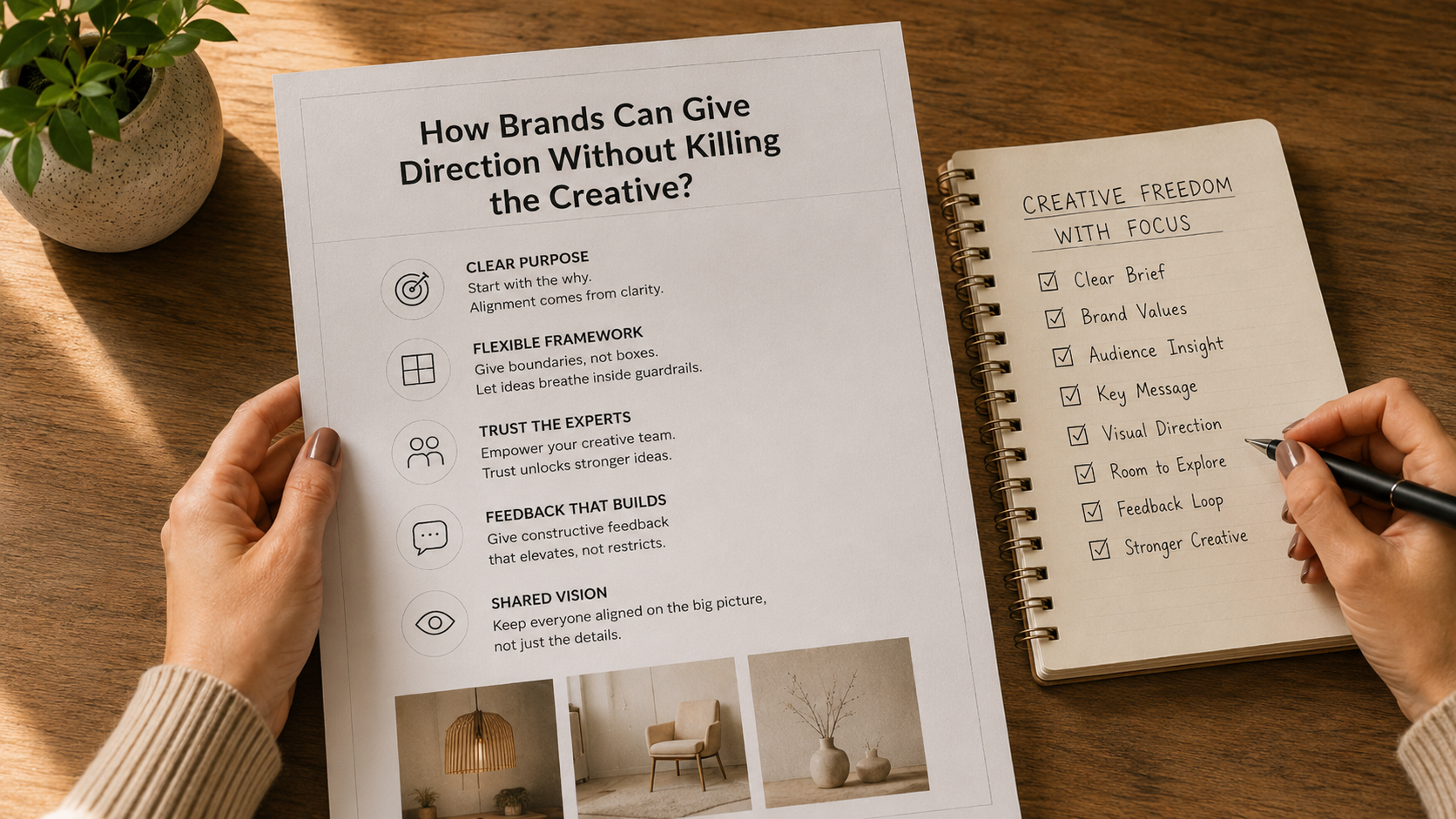
Ronald highlights that the best partnerships are built on transparency and communication.
If timelines change, say so early. If approvals are taking longer than expected, let the creator know.
“Most issues become manageable when expectations are clear,” Ronald says.
Overcommunication is rarely the problem. “In fact, it’s usually the opposite.” Respecting each other’s time is one of the easiest ways to build longer, stronger creator relationships.
Which tools are valuable in reducing burnout?
The study points to several tools and habits that can help reduce burnout: setting work-life boundaries (38%), taking time off more regularly (34%), and using AI and scheduling tools to reduce workload (32%).
In reality, these tools can play a valuable role, but Ronald explains that nothing substitutes for running a creator career like a proper business.
“Technology can improve efficiency. Scheduling tools can help you work ahead. AI can remove repetitive tasks. Time off is critical for maintaining perspective and avoiding burnout.”
Creators with sustainable careers tend to have strong systems, processes and routines underpinning everything they do.
The foundations are simple:
- Good communication
- Clear workflows
- Consistent delivery
Fabulate’s own Influencing Outcomes podcast with Eugene Healey and Taz from Taz & Alessia tells a similar story.
In the podcast, both creators expressed how personal the solution can be.
Eugene spoke about the importance of “going to the office”. That does not necessarily mean an office building. It could be a café, a co-working space, or any other environment that shifts the brain into a creative and productive mindset.
The location itself is not the point. The routine is.
Taz, on the other hand, emphasised the importance of outsourcing.
She opened up about one of the most time-consuming parts of her business: editing. Getting help from an editor saved her significant time, freeing her to focus on higher-value activities such as strategy, partnerships, and business growth.
Both perspectives point to the same lesson: creators do not have to do everything themselves forever.
The more creators view themselves as business owners, the easier it becomes to identify where systems, routines or support can improve sustainability.
How can creators protect their creativity when their work depends on always having new ideas?
One of the biggest misconceptions in creator marketing is that audiences are constantly demanding something completely new.
Most of the time, they are not.
Audiences are usually looking for a creator’s perspective on what is already happening.
People follow creators for a reason: expertise, humour, personality, advice or point of view. They are not necessarily expecting someone to reinvent the internet every week.
They are looking for that creator’s personal take on a trend, topic, product or cultural moment.
That means protecting creativity is not always about chasing the next groundbreaking idea. Sometimes, it is about protecting authenticity.
The trust audiences place in creators comes from consistency of voice and perspective. Being genuinely yourself is more valuable than constantly trying to innovate for its own sake.
Experimentation matters, but creators should not underestimate the value of sharing honest opinions, lived experiences and personal interpretations.
That is usually what audiences connected with in the first place.
The creators who last are often the ones who build on their unique perspective, rather than constantly trying to become someone else.
What needs to change so creators can build long-term careers without sacrificing their health?

Long-term success will increasingly come from building better support structures around the business.
That might mean outsourcing certain tasks, investing in tools, hiring help, creating repeatable workflows, or simply becoming more disciplined with time management.
The goal should not be to work harder every year. It should be about building a business that becomes more efficient, sustainable, and resilient over time.
The creators most likely to have long careers are not necessarily the ones working the most hours. They are the ones building systems that allow them to keep creating without sacrificing their health, relationships or creativity in the process.
.jpg)








.png)

.png)
.png)
.png)
.png)
.png)
.png)
.png)
.png)
.png)
.png)
.png)
.png)
.png)
.png)
.png)
.png)
.png)
.png)
.png)
.png)
.png)
.png)
.png)
.png)
.png)
.png)
.png)
.png)



.png)