The World Cup’s creator obsession is creating a new tier of sports media rights
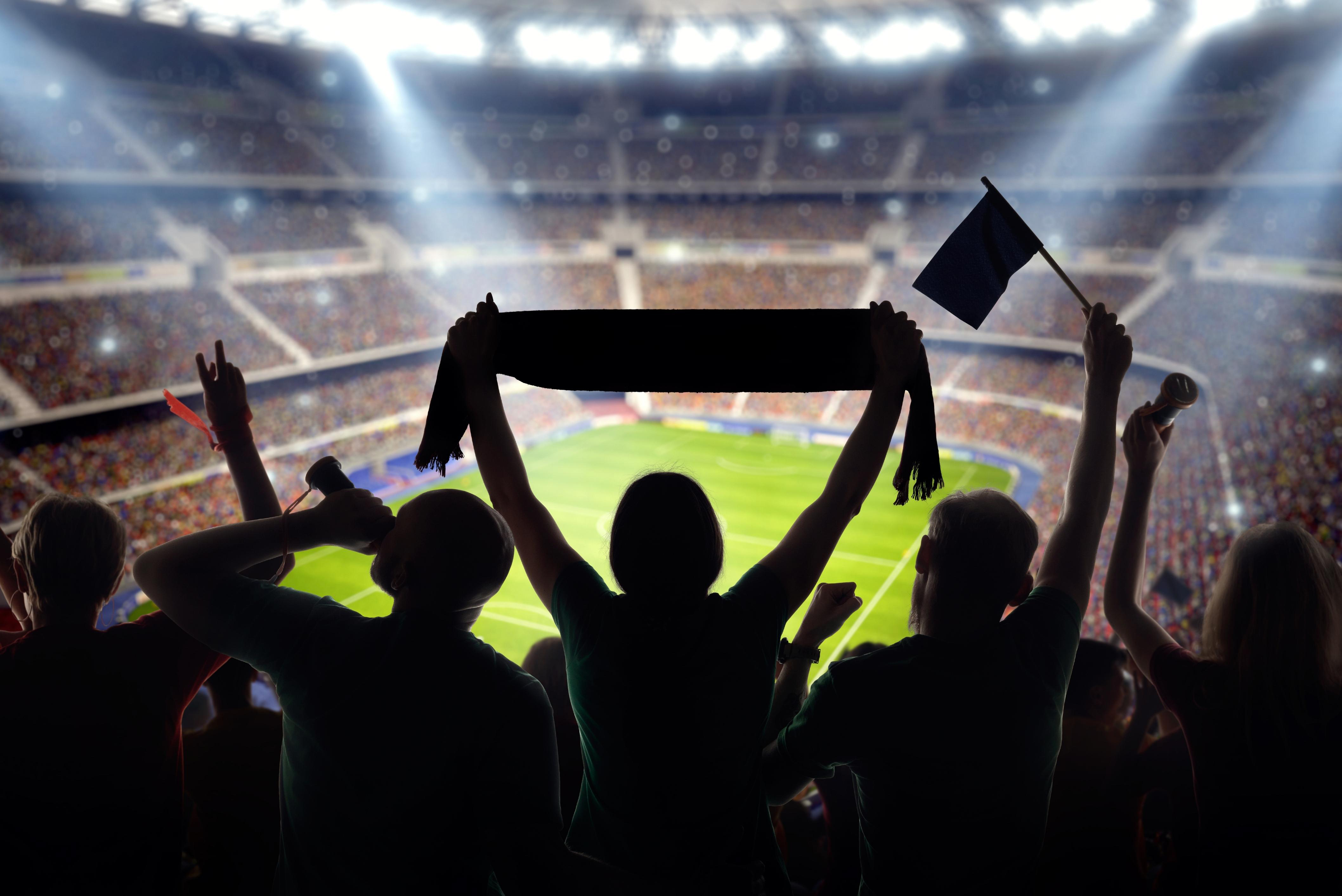
Fans are no longer just watching the World Cup, they’re choosing who to watch it with, creating new opportunities for creators, platforms and brands.
As the FIFA World Cup wraps up, one major realisation stands out: the creator economy has an advantage that traditional broadcasting struggles to replicate.
The word “community” is enough to explain why.
Audiences may still watch the match through a traditional broadcaster, but increasingly, they are choosing creators as the people they want to experience it with.
A new fandom distribution funnel
That is the genius behind FIFA’s creator partnerships. They have created a new tier of sports media rights and a new fandom distribution funnel.
Creator-led coverage is proving that significant audience and commercial value can be built not only through the action on the pitch but around it.
FIFA and TikTok introduced the FIFA World Cup 2026 Creator Correspondents program, selecting 30 creators from four continents, 11 countries and 22 cities to tell the tournament’s story through fan-first content.
YouTube and FIFA pushed the model even further with the first-ever YouTube FIFA Creator Cup on July 12.
Fronted by Darren “IShowSpeed” Watkins Jr., the exhibition match brought together YouTube creators, FIFA legends and other talent with a combined reach of more than 270 million subscribers. It streamed globally on FIFA’s official YouTube channel and was simulcast on IShowSpeed’s own channel.
Dove Men+Care and Lay’s joined as official livestream partners, demonstrating how creator-led sports content can also create valuable new inventory for advertisers.
This was not simply creators promoting the World Cup. FIFA built an entirely new event around their personalities, audiences and communities.
And it makes sense. If Ronaldo scores—or his team crashes out—you want to see how his biggest fan, IShowSpeed, reacts in real time.
That is where livestreaming platforms have an edge over traditional broadcasting: real-time community participation.
For leagues and brands, the question is no longer simply who owns the rights to broadcast the match. It is who owns the community forming around it.
When the creator becomes the broadcaster
In Brazil, creators have already taken that shift one step further.
YouTube-based CazeTV, founded by streamer Casimiro Miguel, is the only platform broadcasting all 104 World Cup matches for free.
The stream of Brazil’s round-of-32 victory over Japan reportedly peaked at 21.3 million simultaneous connected devices, making Brazil a major test case for creator-led sports broadcasting at scale.
Traditional broadcaster Globo still accounts for the majority of the tournament’s Brazilian audience, but CazeTV’s success demonstrates that creators are no longer confined to producing content around the match.
In some markets, they are becoming the broadcaster.
Australia is taking notes
The AFL recently partnered with creator-led media brand Dan Does Footy, alongside 7plus and Kayo Sports, to launch The Ultimate Footy Watchalong 2.
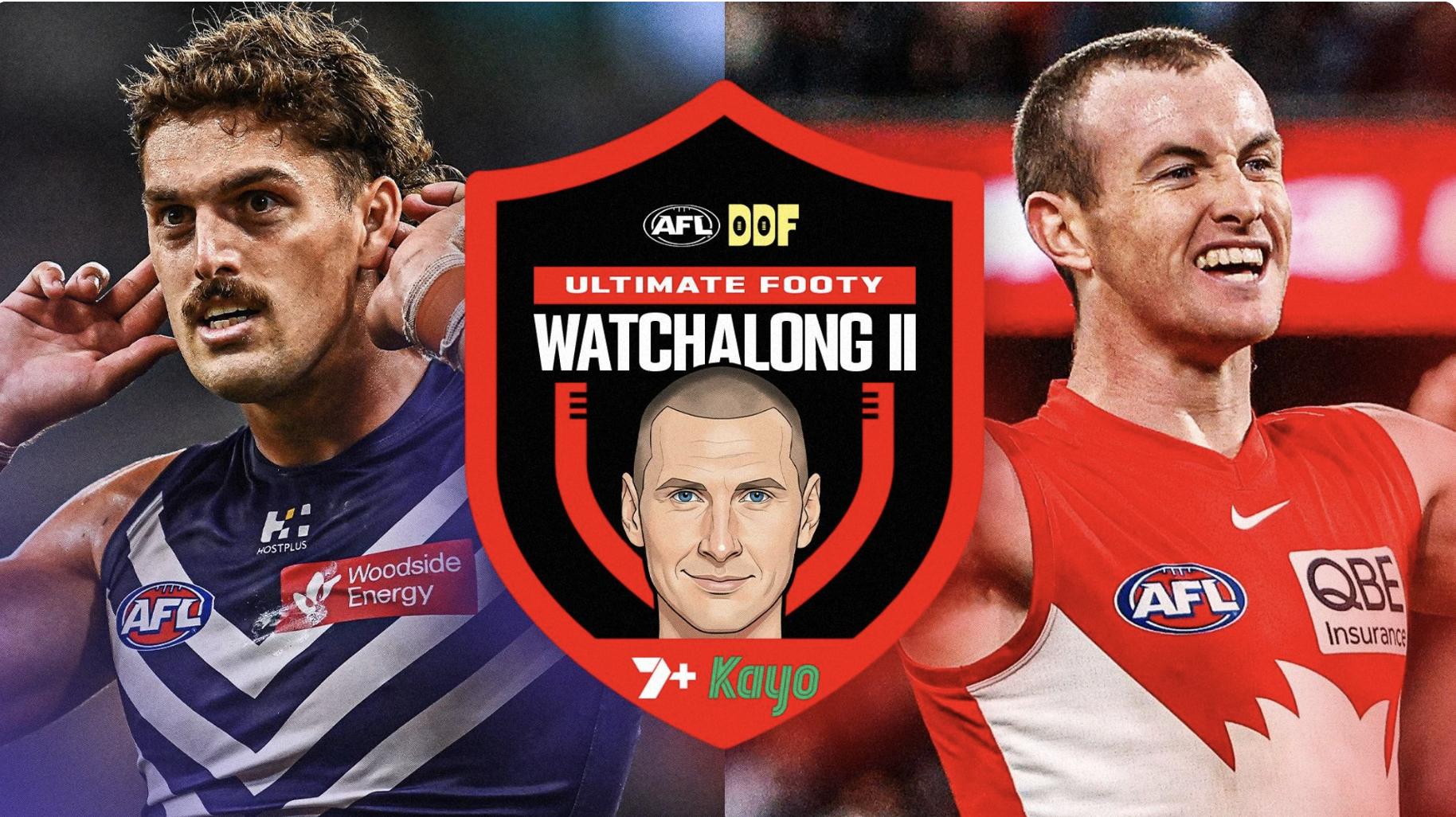
Fronted by former AFL player and creator Daniel Gorringe, the livestream combined his commentary and community with official live match vision from the Fremantle versus Sydney game.
It was distributed across the AFL’s YouTube channel, 7plus and Kayo Sports.
That distinction is important. This was not a creator reacting to a game from outside the broadcast ecosystem. It was a rights holder bringing the creator - and his community - directly inside it.
Players are becoming passive influencers
But the creator layer does not end with livestreams. It also changes who becomes influential during the tournament and why.
The players themselves are becoming passive influencers.
They do not even need to post. A celebration, facial expression, tunnel interaction or exchange between opponents can be clipped, edited and turned into a meme or cultural storyline within minutes.
Haaland is perhaps the clearest example.
Erling Haaland, the Norwegian professional footballer, became a fan and meme favourite during this World Cup, with little correlation to his gameplay or scoring.
You ask why?
He is a tall, behemoth, Viking-like figure, but it was his goofy activities that took the internet by storm.
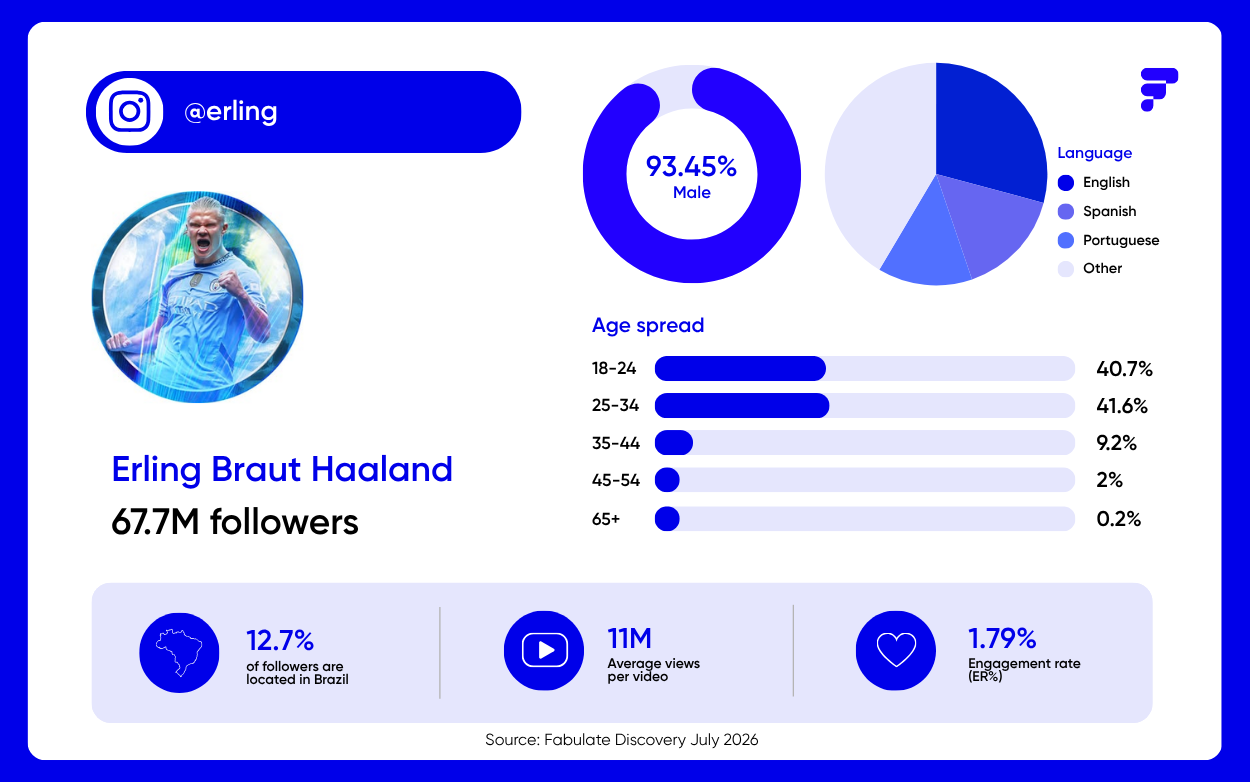
Google Trends data revealed a 900% year-on-year increase in worldwide searches for his name during the tournament, rising to more than 5,000% in Canada.
CBC also reported that more than 1.4 million TikTok posts featured the hashtag #Haaland, while the striker gained more than 12 million Instagram followers after the World Cup began.
Haaland was already one of soccer’s biggest stars, but the World Cup introduced him to millions of people who may never have even watched football (sorry, soccer).
His performances provided the raw material. Doppelgängers, memes, fan edits, trends and online storylines turned him into a wider cultural figure.
.jpg)




.png)

.png)
.png)
.png)
.png)
.png)
.png)
.png)
.png)
.png)
.png)
.png)
.png)
.png)
.png)
.png)
.png)
.png)
.png)
.png)
.png)
.png)
.png)
.png)
.png)
.png)
.png)
.png)
.png)


.png)