.png)
Are Creator-Led Super Bowl Ads the Next Evolution of Talent Strategy?
As audiences rethink fame and influence, creators are stepping into the Super Bowl spotlight. This piece unpacks why creator-led talent is gaining ground, where it works, where it doesn’t, and how brands can balance cultural relevance with mass reach on the biggest advertising stage of the year.
For decades, the Super Bowl has been the pinnacle of brand advertising. Big budgets, big ideas and even bigger celebrities. It’s long been the moment where brands prove just how bold, creative and culturally relevant they can be.
But the way audiences connect with talent is changing.
Fame isn’t limited to Hollywood anymore. Influence isn’t just about being a household name. And attention isn’t won by visibility alone.
At Fabulate, we don’t see the Super Bowl as a single broadcast moment. We see it as the spark that kicks off a much bigger cultural conversation. And in that world, creators aren’t just supporting players anymore - they’re increasingly being considered talent in their own right.
So what does that mean for creator-led Super Bowl advertising? And what should brands realistically think about before putting a creator at the centre of their biggest media moment of the year?
Creators Are Becoming Talent, Not Just Amplification
One of the biggest shifts we’ve seen is how creators are being valued within campaigns.
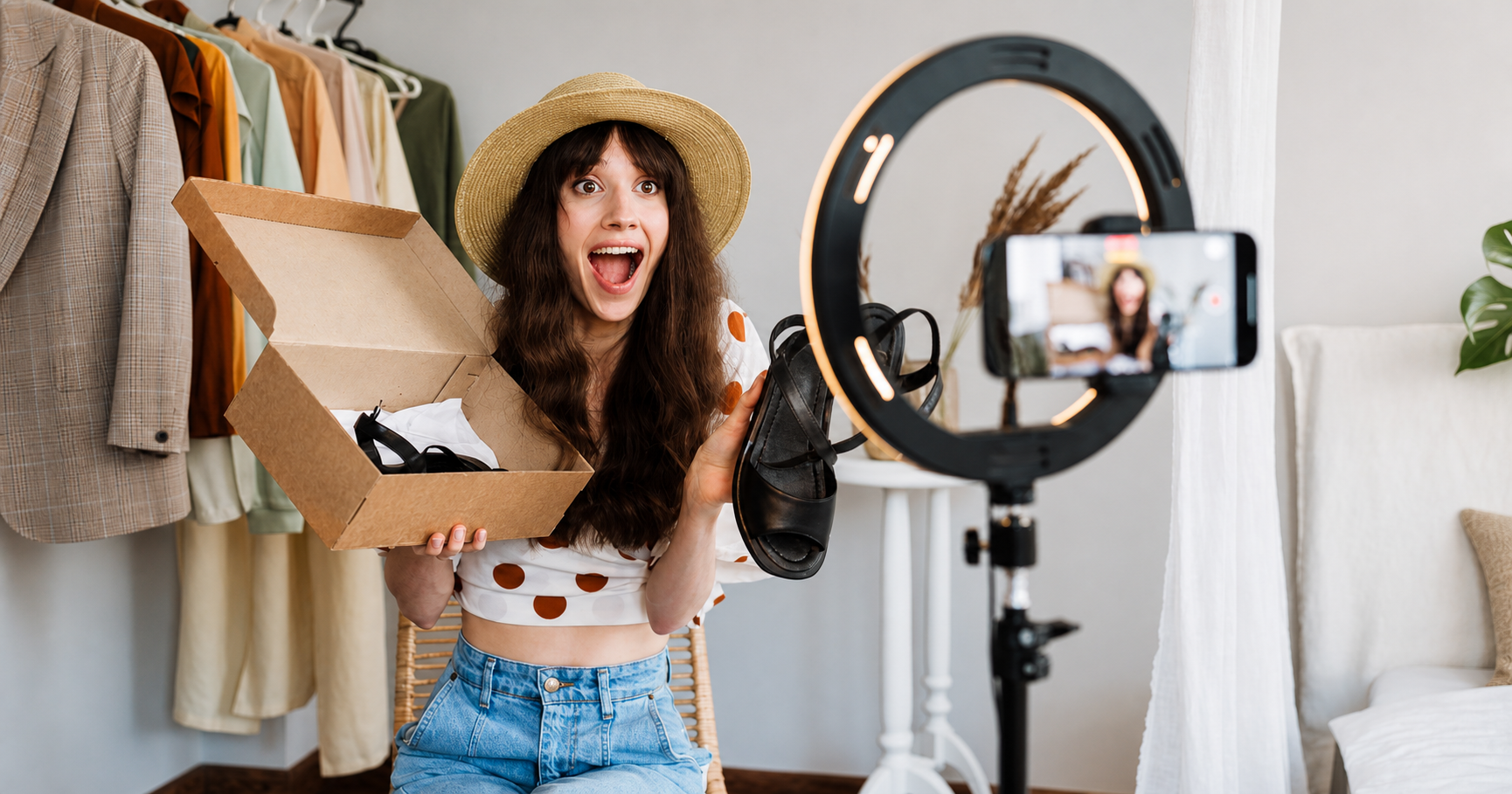
Historically, creators were brought in after the fact - to extend the life of a campaign once the big creative idea was already locked. Now, they’re influencing the idea itself.
“Creators shouldn’t be treated as an add-on,” says Lucy Ronald, Head of Strategy and Talent at Fabulate. “They’re talent with their own creative language, audience expectations and cultural credibility. When brands treat them like interchangeable media placements, they miss the point.”
That distinction really matters at the Super Bowl level. Creators bring something traditional celebrity talent often can’t: continuity. Their audiences aren’t passive viewers — they’re active participants who choose to follow, engage and share.
That’s why creators are starting to move closer to the centre of major brand moments, including the Super Bowl itself.
Creators on the Super Bowl Stage: What We’re Seeing
While celebrities still dominate in-game commercials, recent years show a clear shift towards creator inclusion - either directly in broadcast ads or as the face of the wider campaign ecosystem.
In 2025, Poppi featured creators Alix Earle, Jake Shane and Rob Rausch in its Super Bowl commercial, one of the clearest examples of creators front and centre in a broadcast execution.
In 2024, Addison Rae appeared as part of Nerds Candy’s Super Bowl campaign, bridging traditional TV advertising with creator-led culture across social.
The takeaway? Creators are no longer just there for pre-game hype or post-game amplification. They’re starting to show up inside the main creative itself.
The Case for Creator-Led Super Bowl Advertising
There are some very real strategic reasons creators are becoming part of the Super Bowl conversation.
Extending Value Beyond the Broadcast
Super Bowl spots cost millions, and that’s before production. When creators are genuinely integrated, brands unlock value that goes well beyond game day.
“Creators make the Super Bowl moment portable,” says Ronald. “They naturally create content before, during and after the game, turning a single TV spot into an ongoing cultural moment.”
Instead of a one-off appearance, the campaign becomes a story that lives across platforms where people actually spend their time.
Trust, Relevance and Cultural Fluency
For younger audiences especially, creators often feel more relatable and credible than traditional celebrities. Their influence is built on consistency, not one polished appearance.
“Recognition doesn’t always equal relevance,” Ronald explains. “Creators earn trust by showing up in people’s feeds every day - not just once in a high-production ad.”
For brands targeting Gen Z or digitally native audiences, that trust is hard to ignore.
The Case Against Putting Creators Front and Centre
That said, creator-led Super Bowl ads aren’t without their challenges.
Mass Recognition Still Matters
The Super Bowl is one of the last true mass-reach moments. For many brands, instant recognition across a broad audience is still critical - and celebrities often deliver that more reliably than creators.
“The hesitation isn’t usually about performance,” says Ronald. “It’s about familiarity. Brands want to know the face on screen will be instantly recognisable to as many people as possible.”
Earned Media and PR Power
Traditional celebrities still dominate earned media and press coverage. For brands prioritising PR impact alongside audience engagement, that star power can be hard to walk away from.
Risk at the Highest Investment Level
With so much money on the line, risk tolerance drops. Creators are culturally reactive by nature (often their biggest strength) but that unpredictability can make conservative stakeholders nervous at Super Bowl scale.
A Blended Talent Future
In reality, most brands aren’t choosing between creators or celebrities. They’re combining them.
Celebrities anchor the broadcast moment. Creators drive relevance, engagement and conversation around it. That mirrors how people actually consume advertising today - they notice the ad on TV, but they engage with it through creators on social.
“When creators are treated as talent rather than amplification, campaigns feel more culturally fluent,” says Ronald. “Less like ads, more like moments people want to be part of.”
What This Means for Brands
From a Fabulate perspective, the rise of creators in Super Bowl advertising reflects a bigger shift in how influence and attention are distributed.
“Creators aren’t replacing celebrities overnight,” Ronald says. “But they are redefining what talent looks like in modern marketing. Brands that understand that will build campaigns that live well beyond a single broadcast slot.”
The question isn’t whether creators belong in Super Bowl campaigns anymore.
It’s how intentionally brands choose to use them - and whether they’re brave enough to let creators do what they do best.
Because the brands that get it right won’t just win game day, they’ll win the conversation long after the final whistle.
.jpg)






.png)

.png)
.png)
.png)
.png)
.png)
.png)
.png)
.png)
.png)
.png)
.png)
.png)
.png)
.png)
.png)
.png)
.png)
.png)
.png)
.png)
.png)
.png)
.png)
.png)
.png)
.png)
.png)



.png)