Episode 16: TikTok World, Fake Followers & Platform Control
In Episode 16 of Influencing Outcomes, the team unpacks the rapid evolution of generative AI, the rise of TikTok Shop and the growing global tension between platforms, governments and digital identity. From Meta’s mass removal of fake followers through to debates around algorithmic control and social media scrutiny at international borders, the conversation explores how trust, visibility and influence online are becoming increasingly interconnected.
This episode explores the growing complexity of the modern creator economy, where audience trust, platform power and digital identity are colliding in ways that are reshaping how influence operates online.
For years, social platforms primarily functioned as distribution engines for entertainment, communication and advertising. Today, they are becoming something much larger. Platforms are evolving into fully integrated ecosystems that shape commerce, culture, visibility and even real-world access.
At the same time, generative AI is accelerating the speed and scale of content creation, governments are increasing pressure on platform algorithms and audiences are becoming more aware of how artificial engagement and synthetic content influence what they see online.
In this episode of Influencing Outcomes, Nathan Powell, Ben Gunn and Eliza Lewis unpack the major shifts emerging across platforms, creator marketing and digital culture, and what they reveal about where the industry is heading next.
TikTok World, Generative AI and the Future of Creator Content
The episode begins with reflections from TikTok World in New York, where TikTok unveiled its latest developments across AI, creator tools and platform innovation.
One of the biggest themes emerging from the event was the rapid advancement of generative AI tools such as Symphony and Seedance 2.0. What was once clearly artificial is now becoming increasingly realistic, opening new opportunities for brands to scale creative production and experiment with content generation in ways that were previously impossible.
Importantly, the discussion explores how platforms like TikTok are positioning AI not as a replacement for creators, but as an enhancement layer for creative workflows and campaign execution.
The conversation also highlights how quickly audience expectations around content are evolving. Consumers increasingly expect content that feels native, fast-moving and personalised to platform culture, placing pressure on brands to rethink traditional creative processes and production timelines.
TikTok Shop and the Expansion of Social Commerce
The discussion then shifts towards TikTok Shop and the growing role social commerce is playing within platform ecosystems.
TikTok revealed that TikTok Shop is now operating in 16 countries and has rapidly become one of the world’s largest marketplace platforms, highlighting how deeply entertainment and commerce are beginning to merge.
As audiences increasingly discover and purchase products directly within content environments, the traditional separation between advertising, entertainment and e-commerce continues to disappear.
For brands and creators alike, this shift creates major opportunities around discoverability, conversion and community-driven purchasing behaviour, while also changing how platforms monetise audience attention.
“The Great Purge” and the Problem With Vanity Metrics
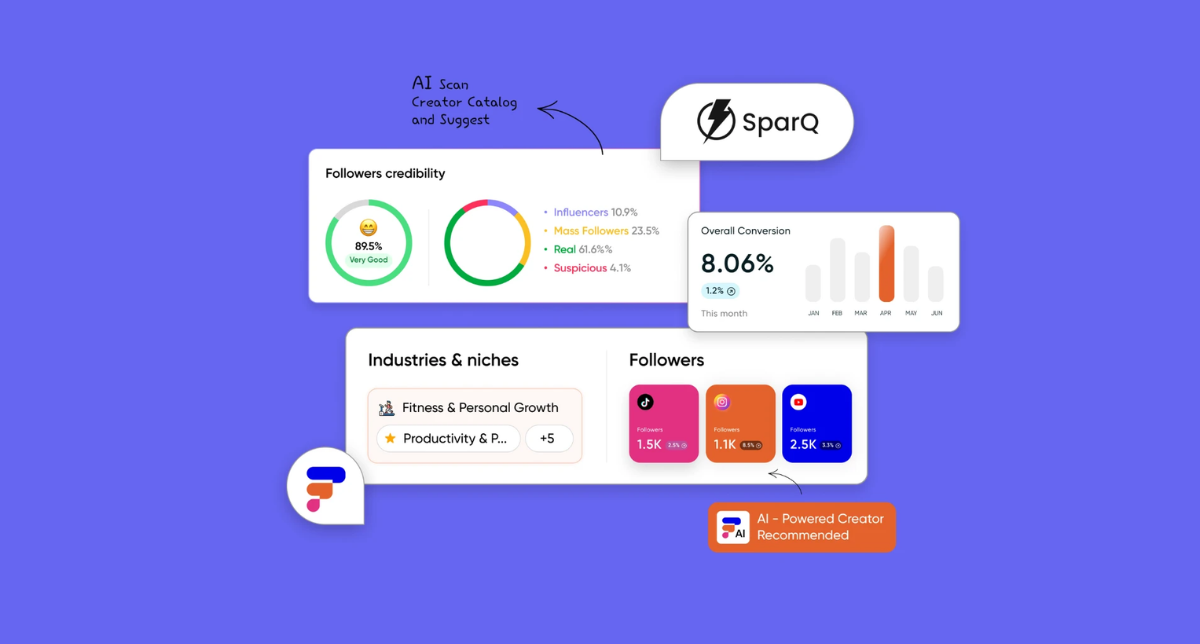
The episode also explores one of the creator economy’s biggest stories of the week after Meta reportedly removed millions of fake, inactive and bot followers across Instagram in what online communities labelled “The Great Purge of 2026.”
Major celebrities and creator accounts reportedly lost millions of followers overnight, reigniting industry conversations around fake audiences, inflated reach and the long-standing overreliance on follower counts as a measure of influence.
The discussion examines how artificial audience inflation impacts pricing, campaign performance and trust across the broader creator ecosystem.
As brands become more sophisticated in how they evaluate creators, the conversation highlights why metrics such as audience authenticity, engagement quality and behavioural consistency are becoming increasingly important in determining real influence online.
Governments, Algorithms and the Fight for Visibility
Later in the episode, the focus shifts towards the growing global debate around platform regulation and algorithmic control.
The team explores policy discussions emerging across the UK and Europe that could require platforms such as YouTube to prioritise government-backed or “public interest” media within recommendation systems and digital interfaces.
What begins as a conversation around journalism and discoverability quickly expands into a broader discussion around who ultimately controls visibility online.
As governments attempt to preserve traditional media structures and platforms continue to dominate audience attention, tensions are increasing around regulation, distribution and the economics of discoverability itself.
The episode examines the risks of governments influencing algorithmic visibility, the impact this could have on independent creators and how platform ecosystems are increasingly becoming battlegrounds for control over information and audience attention.
Social Media History and Real-World Consequences
The final discussion explores how digital identity is increasingly affecting real-world outcomes after reports emerged that Australian musician Kelly Holiday was denied re-entry into the United States following scrutiny of historical social media activity.
While the exact reasons remain unclear, the conversation highlights a growing reality across digital culture: online behaviour is increasingly being treated as part of a person’s real-world profile.
As governments, employers and institutions place greater emphasis on digital footprints, creators and audiences alike are beginning to confront the permanence of internet culture and the long-term implications of what is shared online.
The episode explores how algorithms historically rewarded controversy, hot takes and increasingly reactive content, while audiences are only now beginning to fully understand how permanent and searchable those digital histories have become.
Platforms, Trust and the Future of Digital Culture
Across all of these discussions, a clear theme emerges. Platforms are no longer simply media channels. They are increasingly shaping commerce, information, culture and public trust at a global scale.
AI is accelerating content creation faster than regulatory systems can evolve. Governments are attempting to regain influence over digital ecosystems they do not fully control. Audiences are becoming more sceptical of what is real online while creators face growing pressure to maintain authenticity in increasingly synthetic environments.
For brands, creators and platforms, understanding how audience trust, platform behaviour, regulation and digital identity intersect is becoming increasingly important in navigating the next era of the internet.
Follow, Subscribe and Stay Connected
Enjoyed the episode? Follow Influencing Outcomes on your favourite podcast platform so you never miss an update.
For more insights, industry trends and behind-the-scenes content:
Follow Fabulate on socials: LinkedIn | Instagram | TikTok | YouTube | Facebook
.jpg)







.png)

.png)
.png)
.png)
.png)
.png)
.png)
.png)
.png)
.png)
.png)
.png)
.png)
.png)
.png)
.png)
.png)
.png)
.png)
.png)
.png)
.png)
.png)
.png)
.png)
.png)
.png)
.png)
.png)

.png)