How algorithms gave rise to the niche creator?
How interest-led algorithms gave rise to niche creators and made specialist expertise more discoverable, influential and commercially valuable.
Before recommendation algorithms democratised content discovery, deciding what reached an audience largely sat with a small group of television executives, publishers and media owners.
Today, the script has flipped.
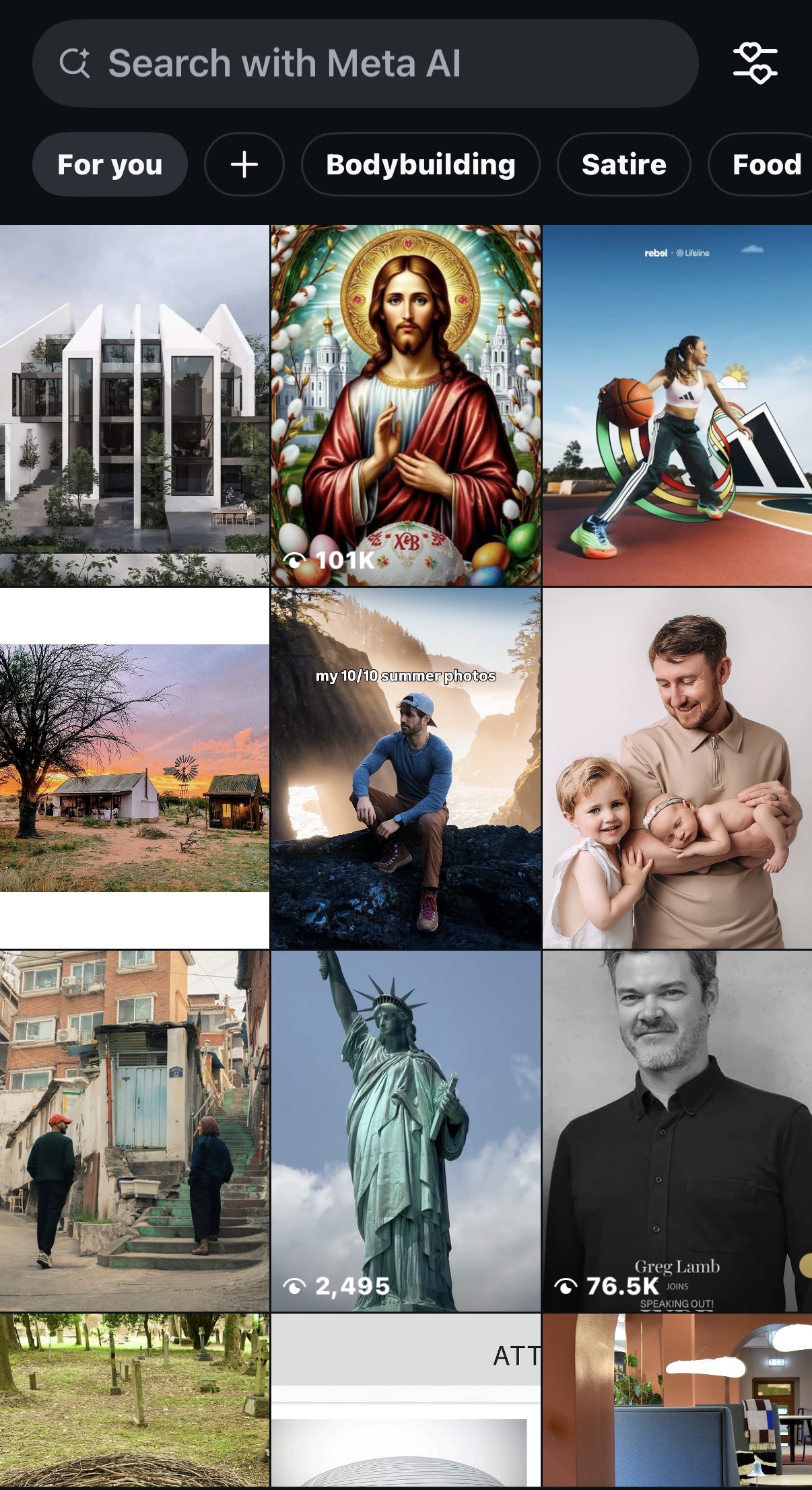
Interest-led feeds can understand what a video is about, identify people already showing an interest in that subject and continue expanding its distribution as audiences respond.
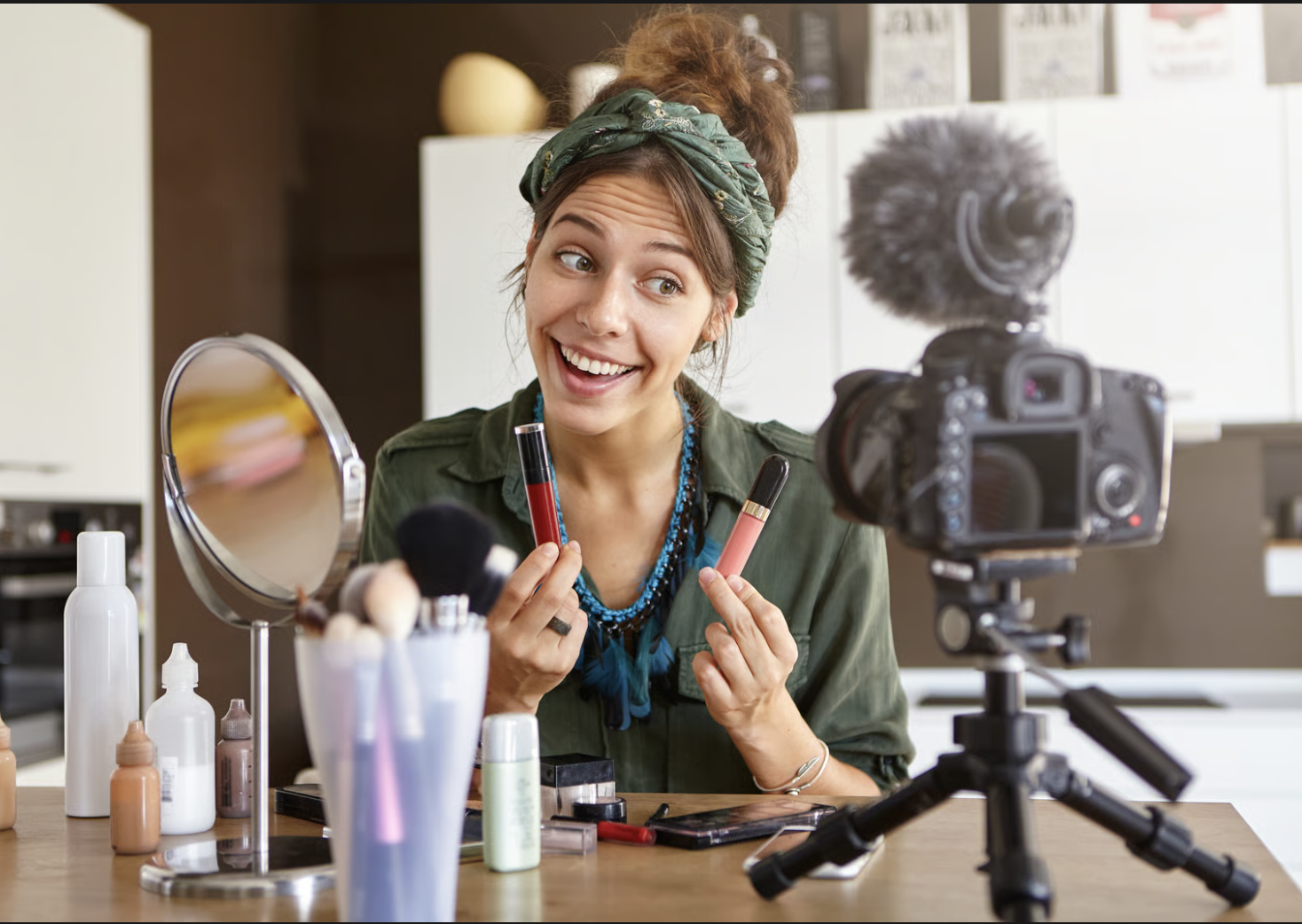
That shift did more than change how content is discovered. It gave rise to the niche creator: specialists who can build influence around highly specific topics — from finance and news to memes or even opening Monster Energy cans — without first chasing millions of followers.
For brands, the implication is clear. The most valuable creator may not be the one with the biggest following, but the one whose expertise, content and audience signals give the algorithm the clearest path to the right people.
How do algorithms find an audience?

Algorithms are sets of rules and machine-learning systems platforms use to predict which content each person is most likely to find clickable.
They examine signals from both the content and the viewer.
Captions, spoken words, visuals, sounds and topics help recommendation systems understand what a video is about. Platforms then compare that information with audience behaviour, including what people watch, search for, replay, save, share or skip.
In simple terms, the process works like this:
- Understand the content: The platform identifies the video’s topic, format and likely audience.
- Match it with relevant viewers: The content is shown to people whose behaviour suggests they may be interested.
- Learn from the response: Watch time, completion, rewatches, searches, saves and shares help the system understand how valuable viewers found it.
- Expand the audience: Strong content can then be introduced to larger groups with similar or overlapping interests.
The algorithm is not simply rewarding the biggest account. It is continually trying to improve the match between a piece of content and the people most likely to value it.
How algorithms work across platforms

Each platform uses different recommendation systems, but the broad goal is similar: understand the content, predict who is most likely to value it and rank it accordingly.
- TikTok: The For You feed is centred on interest-led discovery. Signals such as watch time, completions, searches, shares and previous interactions help TikTok introduce videos to people likely to enjoy similar content. This allows niche creators to reach relevant audiences well beyond their followers.
- Instagram: Instagram uses different ranking systems across Feed, Stories, Explore and Reels. Feed and Stories lean more heavily on existing relationships, while Explore and Reels are designed for discovery. Users can also reset their suggested content, giving Instagram’s recommendation systems a fresh start before they rebuild around new interactions.
- YouTube: YouTube matches videos with individual viewing habits. The homepage reflects a viewer’s history and interests, while “Up Next” also considers the video currently being watched. This helps specialist creators reach viewers already exploring related topics in greater depth.
- Facebook: Facebook’s Feed uses machine learning to predict which posts each person will find most valuable and relevant. Recommendations can also introduce people to content outside their existing connections.
The key difference is no longer simply which platform has the largest audience. It is how effectively each platform connects specialist content with the people most likely to care about it.
Algorithms transformed the economics of becoming a creator
Despite the criticism algorithmic feeds often receive, they have transformed what Fabulate co-founder and chief product and strategy officer Nathan Powell calls “the economics of becoming a creator”.
“Niche voices are no longer confined to niche audiences,” Powell said.
Previously, “breakout content” was often viewed as the domain of creators who had already amassed large followings. Now, individual videos can reach aligned audiences on their own merit.
That has lowered the barrier to entry for new creators and created an environment in which expertise and originality can outperform broad popularity.
“If people find a piece of content valuable, entertaining or informative, the algorithm can continue introducing it to new people regardless of who created it.”
From niche communities to connected audiences
Marshall McLuhan famously described the world as becoming a “global village”, and social media has arguably become one of the clearest expressions of that idea.
The internet did not eliminate niche communities. It connected them.
Platforms can identify highly specific interest groups while also recognising where those interests overlap.
Someone who watches Formula One content may also be interested in premium automotive brands, advanced engineering, luxury travel or sports technology. Those intersections allow a creator’s content to move into adjacent communities without losing relevance.
“The creators who successfully grow aren’t necessarily abandoning their niche,” Powell said.
“They’re producing content with themes, stories or formats that resonate across adjacent communities. Algorithms simply recognise those audience overlaps much faster than any traditional media channel ever could.”
That means niche creators do not need to become generalists to scale. They need to create content that remains rooted in their expertise yet is accessible to their connected audiences.
Why follower count no longer tells the full story
Follower count is becoming one of the least useful metrics when evaluated in isolation.
A niche creator may have a relatively small owned audience while regularly reaching much larger groups through recommendation feeds.
For brands, authenticity should come first.
Does the creator have genuine credibility in the category? Would their audience naturally expect them to discuss the product or subject even without a sponsorship?
That is what creates trust.
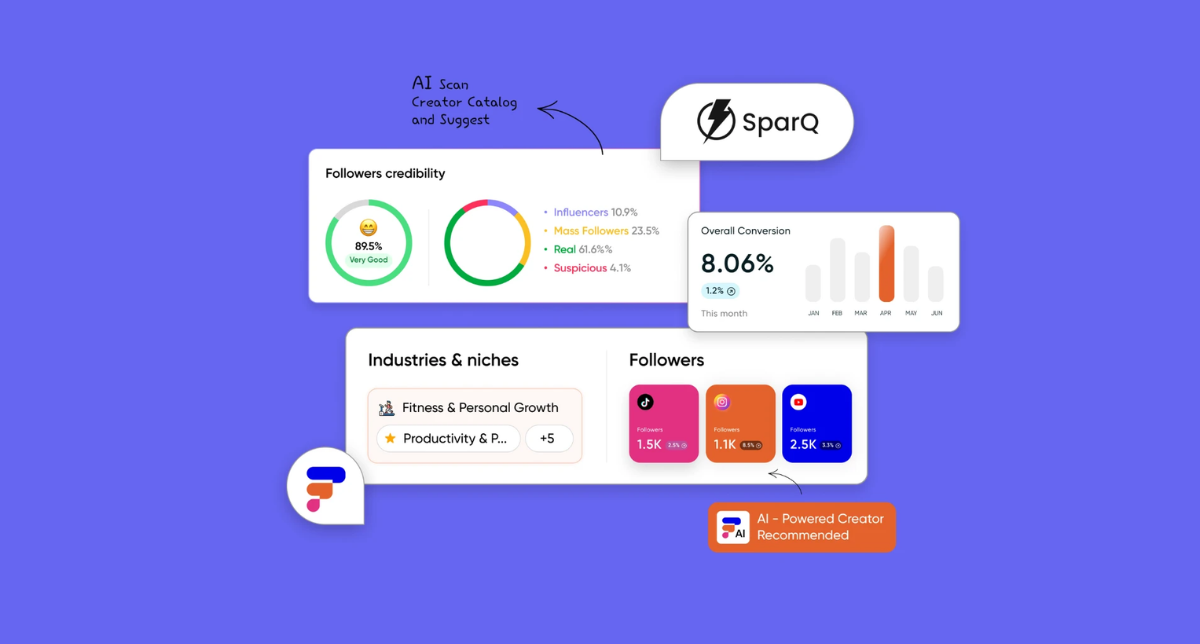
Brands should then assess audience quality rather than size alone. Watch time, repeat viewing, comment quality, content consistency, audience relevance and previous branded performance can provide a much clearer indication of future success.
The best strategies also balance relevance with scale.
A group of highly credible niche creators can often produce stronger and more varied content than one celebrity partnership. A broader creator portfolio also gives brands more assets to test, learn from and amplify.
The opportunity is not simply to choose smaller creators. It is to build an ecosystem of trusted voices.
Expertise is becoming commercially scalable
Algorithmic discovery has made category expertise more commercially valuable than broad popularity alone.
The combination of recommendation systems and sophisticated advertising tools means brands no longer need to reach everyone to reach the right people.
For creators, expertise becomes a commercial advantage.
A respected skincare creator, financial educator or technology reviewer may deliver more value than a broad entertainment personality with a much larger following because their credibility and audience intent are stronger.
“The most successful creator campaigns today aren’t built around finding the biggest creator,” Powell said.
“They’re built around finding the most relevant voice, then allowing algorithms to scale that content to the audiences most likely to respond.”
That is a fundamentally different model of influence.
Algorithms did not simply help creators distribute content further. They allowed specialist expertise to find an audience before fame arrived — and made the niche creator commercially scalable.
.jpg)









.png)

.png)
.png)
.png)
.png)
.png)
.png)
.png)
.png)
.png)
.png)
.png)
.png)
.png)
.png)
.png)
.png)
.png)
.png)
.png)
.png)
.png)
.png)
.png)
.png)
.png)
.png)
.png)
.png)


.png)