From gamers to entertainers: streaming enters its ‘prime time’ era
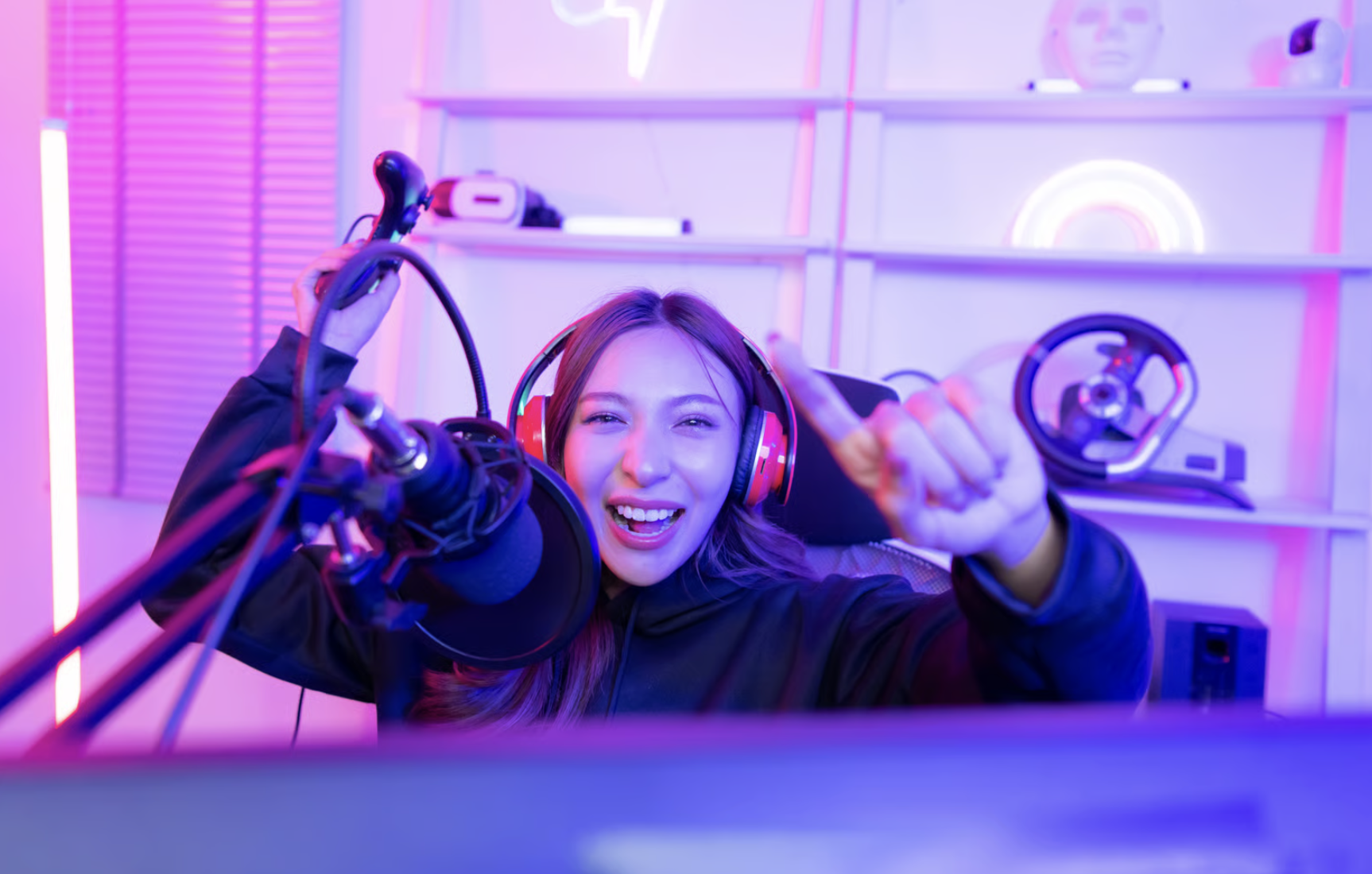
Live streaming is moving beyond gaming as personality-led creators on Twitch, YouTube and Kick become prime-time entertainment for brands.
Streaming has long been synonymous with gaming, but that equation is beginning to break down.
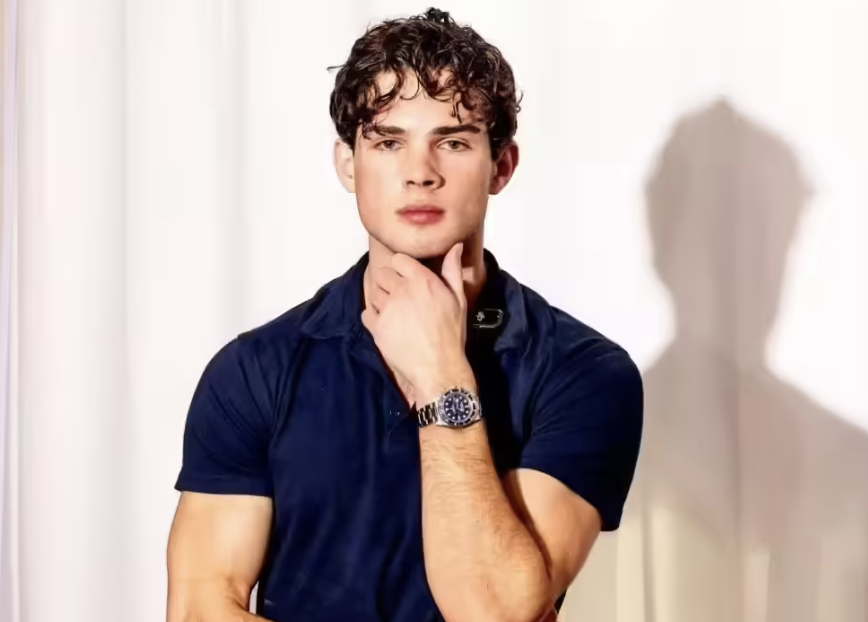
Some of the internet’s biggest personalities — from Adin Ross and IShowSpeed to more controversial “looksmaxxing” figures such as Braden “Clavicular” Peters — have emerged from live-streaming culture without being defined by the games they play.
Gaming undoubtedly built the category, creating global communities and even spawning film and television adaptations. But audiences are increasingly tuning in for the personality, unpredictability and conversation surrounding the stream rather than the title on screen.
The game may still provide the backdrop. The creator is becoming the show.
Supporting this shift, the Streamlabs x Stream Hatchet Q1 2026 Live Streaming Report revealed that Just Chatting — the most-watched category — generated more than one billion viewing hours across the platforms tracked. That means audiences were tuning in to watch streamers talk directly to their chats or follow creators taking their audiences into the real world through IRL content.
The top players in this space
Twitch — the established community and personality hub: Twitch remained the largest of the three platforms profiled, generating 4.55 billion hours watched in Q1 2026, up 3.9% quarter-on-quarter. It also recorded 215.8 million hours streamed across 8.74 million unique channels. Just Chatting alone generated 668.2 million viewing hours, reinforcing Twitch’s role as the leading destination for long-form, personality-led communities — not just gaming.
YouTube Gaming — the steady-growth platform: YouTube Gaming reached 2.22 billion hours watched, rising 1.58% quarter-on-quarter and 14.63% year-on-year. While its number of unique channels declined to 1.07 million, viewing continued to grow, suggesting stronger audience demand across a slightly smaller creator base. Its role is increasingly one of sustained, scalable viewing rather than sheer creator volume.
Kick — the fast-growing, personality-led challenger: Kick generated 1.27 billion hours watched, up 4.74% quarter-on-quarter and 65.35% year-on-year. Creator activity also surged, with hours streamed rising by nearly 70% year-on-year. Just Chatting accounted for 303.8 million viewing hours, positioning Kick as a high-growth home for personality-driven creators, IRL entertainment and conversational streams.
The wider market — entertainment is expanding beyond gameplay: Across all platforms tracked, live-streaming viewership reached 21.49 billion hours, up 2.83% quarter-on-quarter. Just Chatting was the most-watched category overall, generating 1.07 billion hours — more than double League of Legends at 485.3 million. The clearest shift is that audiences are increasingly watching the person behind the stream, not only the game being played.
The streamer is becoming a format
The rise of Just Chatting suggests live audiences are no longer gathering around a single activity. They are gathering around a personality or persona.
A strong streamer can move between gaming, interviews, reactions, travel, challenges and everyday conversation without losing their audience because the relationship sits with the creator, not the category.
That makes streamers more comparable to television hosts than traditional influencers. Their value comes from their ability to sustain attention, improvise and make viewers feel part of the show.
The stream itself becomes a repeatable form of entertainment.
Why does live feel different?
Most social content is consumed passively. Live streaming gives audiences a role.
Viewers can ask questions, influence or dictate what happens next, react alongside the creator and see their comments acknowledged in real time. The experience feels less like watching a polished piece of content and more like entering a shared room.
That participation is central to the appeal of Just Chatting and IRL formats. The audience is not simply watching the entertainment unfold; it is helping to shape it.
For creators, this builds a deeper relationship than a single post can usually deliver. For brands, it creates more opportunities to join a conversation rather than interrupt it.
Then there is clipping: cutting hours of live footage into short, viral segments packaged for social media. Audiences do not have to watch the entire three-hour stream; they can catch the highlights across other platforms. One stream can generate enough content to fuel an entire week.
How should brands choose a streamer?

Follower count and concurrent viewers provide useful context, but they do not tell the full story.
Brands should also consider:
- how consistently the creator holds attention;
- the strength and activity of the community;
- whether viewers follow the creator across different formats;
- the quality of live audience interaction;
- how naturally the product fits the creator’s personality; and
- whether memorable moments regularly travel beyond the stream.
The most valuable streamer may not have the largest audience. It may be the creator whose community is most willing to spend time with them, participate and follow their content across platforms.
What does this shift mean for brands?
The biggest mistake brands can make is treating streamers as a new media channel rather than what they are: creators.
Brands should still look for people whose audiences genuinely align with the business, who consistently hold attention, have credibility within their niche and create content people actively choose to spend time with.
The important difference is the creative skill required.
“Holding someone’s attention for two hours, with no edits and no second takes, is fundamentally different from producing a polished 60-second video,” Powell said.
“The best streamers are entertainers first. They can sustain engagement over extended periods, keep conversations flowing and make audiences feel part of the experience rather than simply watching it.”
That makes follower count an increasingly limited metric for judging commercial potential. A smaller streamer with a trusted, active community may be more valuable than a larger personality whose audience watches passively.
Recommendation algorithms have also made it easier for streamers to grow beyond their established communities. When people continue watching for long periods, platforms can introduce that creator to new audiences with similar interests.
Powell said the question for brands should not be: “Who is the biggest streamer?”
It should be: “Who already has the trust of the audience we are trying to reach?”
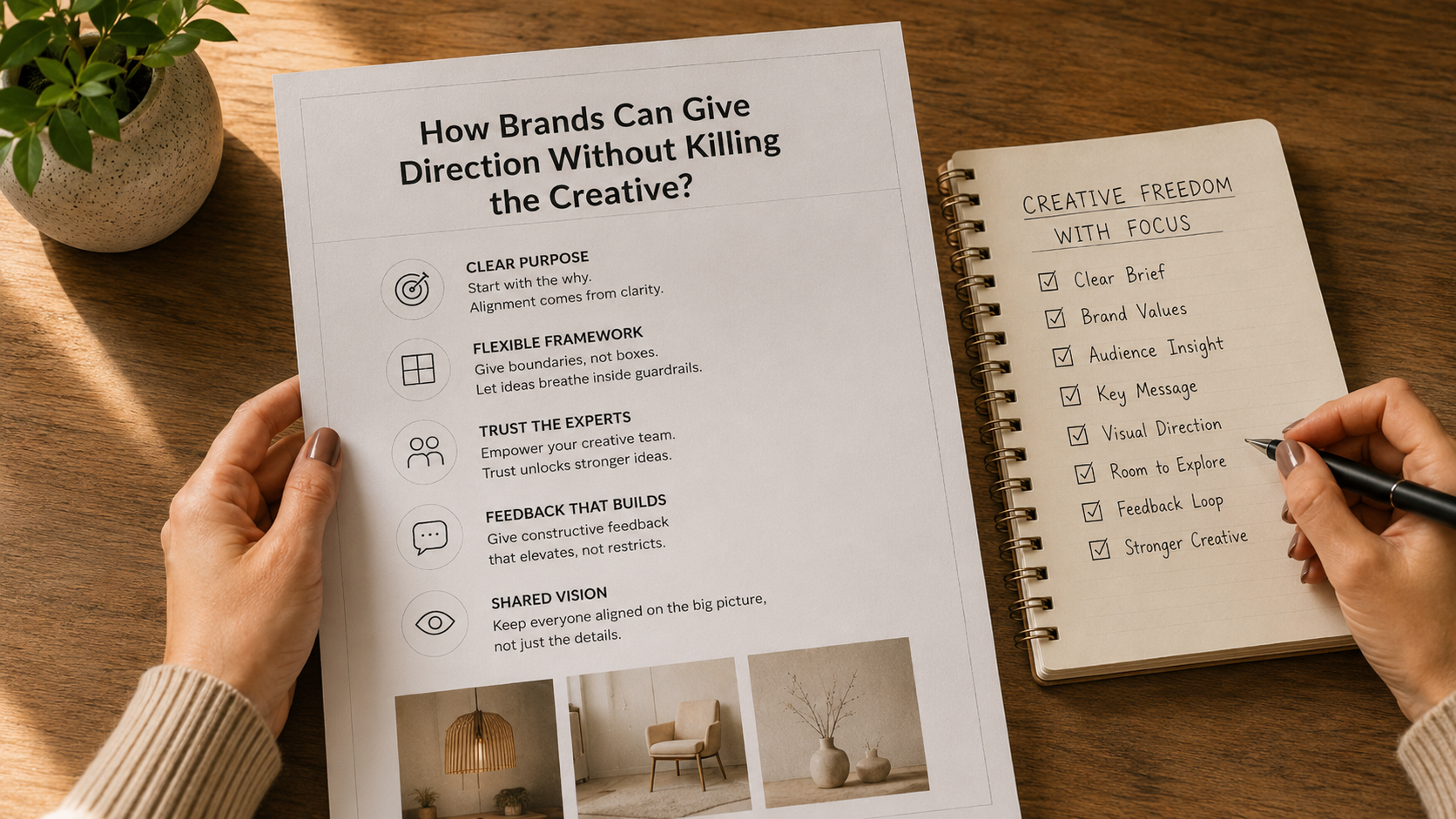
Give creators the objective, not the script
As live streaming moves further into entertainment, brand integrations need to feel like part of the show rather than a break from it.
Powell said authenticity remains the central requirement, but brands often misunderstand what that means.
“It isn’t simply allowing creators to say whatever they like,” he said. “It’s trusting creators to tell your story in the language their audience already enjoys.”
Streamers understand the rhythms of their communities: when to introduce a product, when to make a joke, when to explain something and when to allow the conversation to unfold naturally.
That knowledge is difficult for a brand to reproduce through a tightly controlled script.
The strongest integrations begin with a clear campaign objective but give the creator freedom over the execution. A product could become part of a recurring segment, live challenge, demonstration or audience-led moment rather than appearing as an isolated promotional message.
“We have a saying in creator marketing: just because you can doesn’t mean you should,” Powell said.
“If a brand forces itself into the content because it bought the placement, audiences will spot it immediately.”
The goal is not to make the advertising invisible. It is to make the brand’s role feel natural enough that it adds to the entertainment rather than interrupting it.
How should brands measure success?
Live streaming sits between television and digital media.
It offers the scale, scheduled viewing and sustained attention traditionally associated with television while retaining the attribution and audience data available through digital platforms.
That means brands need to look beyond follower count, peak concurrent viewers and immediate clicks.
Powell said useful measures include:
- unique reach;
- average watch time;
- audience retention;
- repeat viewers;
- search lift;
- brand recall; and
- the continued reach of clips after the broadcast.
The final point matters because streams increasingly continue to generate value after the creator goes offline.
Memorable moments can be repurposed — or clipped — across TikTok, YouTube Shorts and Instagram Reels, sometimes attracting significantly more viewers than the original live broadcast.
Commercial measurement should then reflect the campaign objective. Commerce-led streams can be assessed through attributable sales, gross merchandise value, conversion rates, customer acquisition and downstream actions. Brand-building campaigns can focus more heavily on watch time, incremental reach, recall and search behaviour.
“We’re moving away from reporting what happened on the platform and towards understanding what happened because someone watched the content,” Powell said.
Closed-loop attribution can link creator exposure to subsequent commercial outcomes, including purchases made well after the stream ends.
That gives live streaming a compelling brand proposition: the sustained attention of television, the community relationship of creator marketing and the measurement precision of digital.
The opportunity is not simply to place a product inside a stream. It is to build entertainment around a creator whom audiences already trust — and then measure the value that trust creates.
.jpg)





.png)

.png)
.png)
.png)
.png)
.png)
.png)
.png)
.png)
.png)
.png)
.png)
.png)
.png)
.png)
.png)
.png)
.png)
.png)
.png)
.png)
.png)
.png)
.png)
.png)
.png)
.png)
.png)
.png)


.png)